
Best Kitchen Pantry Features That Make Groceries Easier to Find and Put Away
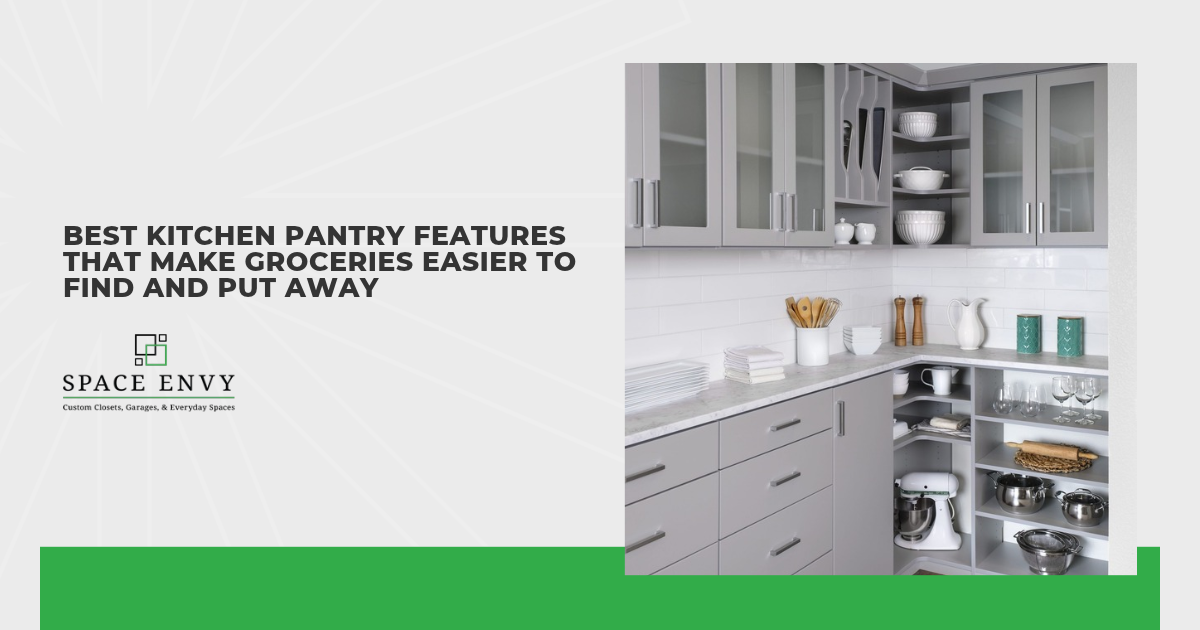
Grocery day has a way of revealing every flaw in your kitchen pantry layout the moment you're standing there with bags in hand and no clear place to put anything. What looks like a clutter problem is usually a layout problem. What I tell homeowners is this: when your pantry isn't built around how you actually shop and cook, putting groceries away becomes a chore you dread. Getting that layout right makes everything else easier.
The features that make the biggest difference are ones that bring things into view and within reach without any extra effort. Adjustable shelving lets you match your storage to what you actually buy, while pull-out drawers mean you're not digging through the back of a cabinet to find the pasta. Clear bins take it a step further by letting you see exactly what you have before you even open a container. These aren't fancy upgrades. They're practical fixes that change how the whole pantry works for you.
A lost can or a shelf that won't fit usually points to a missing feature, not a messy household. These kitchen pantry upgrades fix those daily snags and make unloading groceries feel almost effortless:
- Adjustable shelving that fits everything you buy
- Pull-out drawers for easy reach
- Clear storage bins for quick visibility
- Door organizers that use every inch
- Lazy Susans for corner access
- Labeled zones that keep items in their place
- Bright lighting so nothing hides in the shadows
- Deep drawer dividers for bulky and odd-shaped items
Read on to see how the small upgrades I recommend all the time can make kitchen pantries quicker to restock and far easier to search.
Adjustable Shelving That Fits Everything You Buy
Fixed shelves force you to fit your groceries around the pantry when it should be the other way around. Cereal boxes, olive oil bottles, and stacked cans all need different heights, and rigid layouts waste the gap above shorter items. Adjustable shelving lets you move each level up or down in minutes, so your kitchen pantry changes as your shopping habits do.
Shelves spaced closer together near eye level make it easier to grab snacks and spices without scanning up and down. Taller openings belong at the bottom for flour bins, water jugs, and small appliances you don't use daily. For bulk buyers, I'd suggest opening up one oversized shelf instead of cramming cases onto several narrow ones.
Look for shelf pins or track systems rated for real weight, since a row of canned goods gets heavy fast. Sturdy materials resist bowing over time, which keeps jars from sliding toward the back. Once your shelf heights match what you actually buy, unloading bags becomes a quick, almost automatic routine.
Pull-Out Drawers For Easy Reach
Deep shelves look roomy, but anything pushed past the front row tends to vanish. Pull-out drawers bring the back of your kitchen pantry straight to you, so nothing gets lost behind the peanut butter. You'll reach items without crouching, stretching, or unloading half a shelf first.
Not every shelf needs to become a drawer, but these spots benefit most:
- Lower Cabinets: Bottom storage is where bending and kneeling happen, which makes it the hardest zone to reach. Full-extension drawers slide all the way out, letting you see heavy pots, potatoes, and bulk bags.
- Snack and Spice Drawers: Shallow drawers keep small packets, seasoning jars, and granola bars in a single visible layer. Kids can grab their own snacks too, which frees you from fielding requests while you're unpacking groceries.
- Narrow Pull-Outs: Skinny gaps beside the fridge or range often go unused in many kitchens. Slim pull-out racks turn those spaces into homes for oils, vinegars, and baking sheets you'd otherwise stack somewhere awkward.
Soft-close slides rated for at least 100 pounds are worth the investment, since canned goods add weight quickly. Cheaper hardware often sags and sticks within a year or two, which I've seen ruin an otherwise well-planned setup. Better slides cost a bit more upfront, but they'll glide smoothly for years.
Clear Storage Bins For Quick Visibility
Opaque containers hide their contents, so you end up opening three lids to find the rice. Clear storage bins let you check stock levels from across the room, which helps you write a grocery list in seconds. They also corral loose items like pasta packets and drink pouches that tend to tip over on open shelves.
Bins with a front handle or cutout let you slide them out like a drawer without lifting the whole thing. Matching sizes stack neatly, and I'd always recommend measuring your shelf depth before buying so you don't end up with awkward gaps or containers that won't fit. A well-chosen bin makes your kitchen pantry look calmer, even when it's fully stocked.
Group similar items together, such as breakfast foods in one bin and baking supplies in another. When you come home from the store, each new item has an obvious destination. You'll also spot expired products faster, since nothing sits buried in a cardboard box at the back.
Door Organizers That Use Every Inch
Doors are some of the most overlooked storage surfaces in a kitchen pantry. Slim racks mounted on the back can hold dozens of small items that would otherwise crowd your shelves. Lightweight goods work best here, so save heavier cans for sturdier spots.
Here are the items that earn their spot on the back of your pantry door:
- Spices and Seasonings: Tiered spice racks let you read every label at once instead of digging through a crowded shelf. You'll cook faster and stop buying a third jar of paprika you didn't know you had.
- Wraps and Bags: Foil, plastic wrap, and zip-top bags fit neatly in shallow door bins. Upright storage frees up drawer space and lets you grab the right roll quickly while you're packing lunches.
- Snack Packs and Pouches: Clear door pockets hold single-serve snacks, drink mixes, and gravy packets that slip through wire shelves. Family members can see what's left at a glance, which makes your shopping list easier to build.
Before you install anything, I'd check door clearance so the rack doesn't bump into shelves when it closes. Over-the-door hooks are fine for renters, but screw-mounted racks hold more weight without rattling. Measure twice and leave about an inch of breathing room on each side.
Lazy Susans For Corner Access
Corner shelves are the spot I see wasted most often, since jars drift into the back and stay there for months. Lazy Susans solve that with one spin, bringing whatever's tucked in the corner right to the front. They're especially handy in L-shaped or walk-in kitchen pantry layouts where corners are hard to avoid.
Turntables also shine on deep shelves for condiments, oils, and sauces you use often. Two-tier versions double the storage in the same footprint without making anything harder to see. Pick one with a raised lip so bottles don't fly off when you give it a quick turn.
One rule I stick to is giving each turntable a single category, like sauces on one and baking extracts on another. Mixed turntables quickly turn back into the same jumble you were trying to fix. Size matters too, so measure the corner diagonally before you buy.
Labeled Zones That Keep Items In Their Place
Even a well-built pantry falls apart without a clear system for where things go. Labeled zones give each item a permanent address, so anyone in the house can put groceries away correctly. They also break the habit of shoving new purchases wherever there's an open spot.
Build your zones around your family's daily routines. These examples are a good place to start:
- Breakfast Station: Cereal, oatmeal, nut butters, and coffee pods belong together at an easy height for busy mornings. Put them on one shelf, and nobody has to hunt around before the school bus arrives.
- Baking Zone: Sugar, baking soda, chocolate chips, and sprinkles stay grouped so you can pull everything out for a recipe. Upper shelves work well here, since most people bake less often than they snack.
- Backup Stock: Extra cans, paper goods, and bulk purchases get their own overflow area away from daily items. You'll know immediately when something's running low, because the backup spot will look noticeably empty.
Printed labels outlast chalkboard tags, since chalk smudges the moment someone brushes past. Place labels on shelf edges rather than containers, and I'd recommend doing this from the start so your zones stay put even when you swap bins. Your kitchen pantry will stay organized long after the first big cleanout.
Bright Lighting So Nothing Hides In The Shadows
Poor lighting makes even a well-stocked kitchen pantry hard to use, especially on lower shelves and in deep corners. Overhead fixtures often cast shadows from the shelves themselves, leaving the bottom half dim. Good lighting lets you read labels, spot spills, and confirm expiration dates without pulling out your phone flashlight.
LED strip lights mounted under each shelf are worth every penny, since they light the items directly below instead of bouncing off the ceiling. Motion sensors are a smart add-on too, because your hands are usually full when you walk in with grocery bags. Warm white or neutral bulbs are what I always recommend, since they show food colors accurately and help you catch sprouting potatoes or soft onions early.
Battery-powered puck lights offer a quick fix for renters or reach-in pantries without wiring. Hardwired options cost more but never need new batteries and usually look cleaner. Either way, brighter shelves make unpacking faster because you can see open space right away.
Deep Drawer Dividers For Bulky And Odd-Shaped Items
Cutting boards, sheet pans, and jumbo bags of chips rarely sit neatly on standard shelves. Deep drawers give them a home, but without dividers, everything slumps into a messy pile. Adjustable dividers keep tall and floppy items upright, so you can grab one without toppling the rest.
To tame that pile of pans and snack bags, try one of these divider styles:
- Vertical Slot Dividers: Upright slots hold baking sheets, cutting boards, and serving trays on their edges like files in a cabinet. You can pull out a single pan without lifting the entire stack first.
- Spring-Loaded Bars: Tension dividers expand to fit any drawer width and lock in place without tools. They're ideal for corralling chip bags, bread loaves, and snack boxes that change size with every grocery haul.
- Bin-and-Divider Combos: Removable bins paired with fixed dividers handle odd shapes like sweet potatoes, garlic, and squash. Pull a bin out to carry it to the counter, then drop it back in its slot.
Measuring your tallest pan or board before settling on drawer depth is a step you shouldn't skip. Even one inch too short can make a drawer useless for the items it was meant to hold, which is something I always flag with clients early in the planning process. Nail that measurement first, and you'll avoid awkward workarounds later.
Conclusion
Small changes on your shelves tend to ripple outward into the rest of your day. Mornings feel calmer, meals come together with less scrambling, and grocery runs stop turning into guesswork. You don't need a full renovation to get there, either. Over the years, I've noticed homeowners feel the biggest relief once their storage matches the way they live, not the way a builder imagined. Your household's habits, tastes, and routines deserve a space built around them. When a kitchen pantry works with you instead of against you, it becomes one of the most dependable spots in your home.

QUICK LINKS
CONTACT INFO
Mailing Address
22 S Newberry Way,
Nampa, ID 83651
Showroom
1229 N Midland Blvd.
Nampa, ID 83651
(By Appointment Only)
Phone
SCHEDULE A CONSULTATION
Contact us, and we will come out and discuss your project free of charge.