
Simple Maintenance Routine to Extend the Life of Your Garage Wall Storage
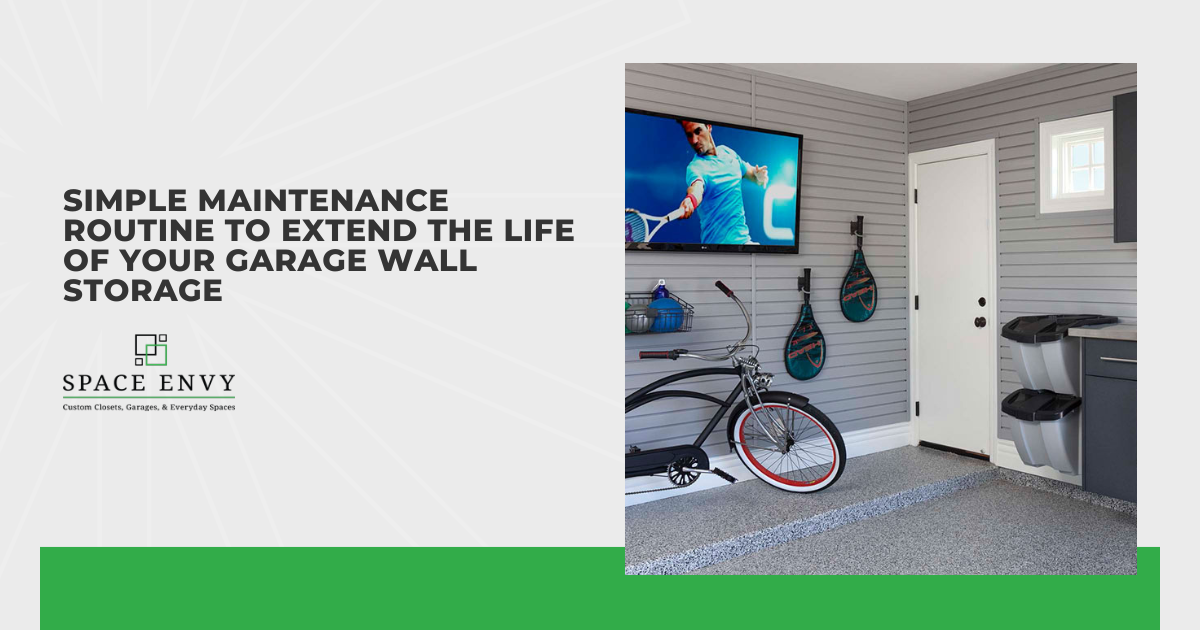
What if keeping your garage wall storage in peak condition only required a few minutes every month? I’ve learned through countless garage projects that a simple routine can keep a storage system sturdy, safe, and dependable for far longer than most homeowners expect. Even the strongest setups benefit from a little periodic attention, since small issues often grow when left unaddressed. A few consistent habits can protect the system and preserve its usefulness.
Many homeowners I work with feel more comfortable maintaining their storage once they know exactly what to watch for. I like to break the routine into clear, manageable steps that don’t take long but make a meaningful impact. These habits improve both safety and organization, helping your space stay functional and clutter-free. When you understand how the system works, caring for it becomes much easier.
Below are the essential maintenance steps I recommend for extending the life of any garage wall storage system.
- Inspect hardware and fasteners regularly
- Clean surfaces to prevent dust buildup
- Monitor weight limits and reorganize as needed
- Protect against moisture and temperature extremes
- Keep the floor and surrounding area clear
- Replace worn accessories or components promptly
If you follow these steps, your storage system will stay safer, stronger, and easier to use for years. Let’s walk through each one so you know exactly what to do and why it matters.
Inspect Hardware and Fasteners Regularly
One of the simplest ways to care for your garage wall storage is by checking the anchors, brackets, and screws that hold everything in place. These components can loosen gradually due to vibrations from tools, garage doors, or shifting temperatures. When I do a quick hardware check, I look for things like:
- Movement or Wobbling: Give each shelf or hook a gentle shake to see if anything shifts out of place. This helps you spot loose fasteners before they become a bigger safety issue.
- Crooked or Pulled-Away Fasteners: Look closely at screw heads and brackets to make sure they sit flush against the surface. Even slight gaps can indicate weakening hardware or wall material.
- Unstable Hooks: Test whether hooks still lock securely into the panel or track. A hook that twists or lifts easily may need to be tightened or replaced.
I also watch for subtle issues such as hairline cracks, early rusting, or bending around mounting points. These signs often appear long before a part fails and give you a chance to intervene early. Tightening or replacing hardware as soon as you notice problems keeps the overall structure stable. A quick inspection every few months makes a significant difference in long-term durability.
Clean Surfaces to Prevent Dust Buildup
Dust and grime may seem insignificant, but they can wear down finishes and trap moisture against your storage system. I try to wipe down shelves and hooks regularly using a mild cleaner and a soft cloth. The areas that tend to collect the most buildup include:
- Shelf Edges: Dust naturally settles along exposed edges and corners. Regular cleaning prevents grime from working its way into crevices and dulling the finish.
- Top of Hooks and Brackets: These spots often collect dust without you noticing. Wiping them keeps accessories cleaner and extends their lifespan.
- Panel Grooves and Channels: Narrow spaces trap small debris that can interfere with how accessories fit. Clearing them helps your system remain smooth and easy to adjust.
For slatwall or track setups, debris inside grooves can affect how accessories slide and lock into place. I often use a brush or vacuum attachment to clear these tight spaces, especially after woodworking or DIY projects. Keeping these channels clean helps accessories stay secure and easy to adjust. Regular cleaning also makes it easier to spot minor issues before they turn into larger problems.
Monitor Weight Limits and Reorganize as Needed
Every storage system has load limits, and respecting them is key to long-term durability. Too much weight on a single hook or shelf can quietly strain the structure over time. When I reassess my setup, I pay close attention to heavy items like:
- Large Power Tools: Items like drills, sanders, and saws can weigh more than you realize. Storing them on appropriate shelves or heavy-duty hooks prevents sagging and structural stress.
- Paint Cans: Gallon cans add significant weight when grouped together. Keeping them distributed across shelves avoids overstressing a single area.
- Bulky Storage Bins: Full bins can become heavier with seasonal items or tools. Ensuring they rest on reinforced shelves keeps your setup stable.
As your storage needs change, the layout of your garage wall storage should adapt as well. Reorganizing a few times a year helps make sure weight isn’t concentrated in one area. I often move heavy gear around, rotate seasonal items, or adjust hook placement to distribute weight more evenly. These small adjustments help maintain both stability and efficiency.
Protect Against Moisture and Temperature Extremes
Garages experience humidity, condensation, and temperature swings, all of which can impact your storage system. Metal parts may rust, and wood or composite panels can swell or warp under poor conditions. I pay attention to early signs like slight bowing, water spots, or rust speckles because they often signal environmental stress. Addressing these signs early helps prevent long-term damage.
Improving the garage environment doesn't require a full remodel. A dehumidifier, a small ventilation upgrade, or adding insulation to key walls can make a big difference. These simple adjustments help stabilize humidity and temperature levels, keeping your storage system stronger for longer. Even small environmental improvements can significantly extend its lifespan.
Keep the Floor and Surrounding Area Clear
Clutter resting against the lower portion of your garage wall storage can create pressure points or lead to accidental damage. I try to keep the area directly beneath my setup free from stacked or leaning items. Some common culprits that cause issues include:
- Rakes, Shovels, and Brooms: These long-handled tools easily get propped against panels. Over time, constant pressure can cause dents or bending.
- Large Storage Boxes: Cardboard or plastic bins can press against slatwall and warp sections if left too long. Keeping them off the wall prevents unnecessary strain.
- Heavy Containers: Items like salt bags or toolboxes can shift and bang into panels. Storing them a few inches away helps preserve the system’s integrity.
Keeping the floor swept also helps prevent scratches and wear. Dust, grit, and small debris can shift underfoot and rub against the wall system as you move items. Regular sweeping prevents this buildup and keeps the space looking clean. It also makes the garage safer and easier to navigate.
Replace Worn Accessories or Components Promptly
Even with consistent care, accessories like hooks, shelves, and bins eventually wear out. When I notice bending, cracking, or looseness, I replace the accessory right away to prevent further stress on the system. Signs that something needs replacing include misshaped metal pieces, cracked plastic, or hooks that no longer stay locked in place. Staying ahead of these issues helps protect the rest of the setup.
Upgrading accessories can also help your storage keep pace with your current needs. Many homeowners find that newer accessories offer better durability or improved functionality. Swapping in reinforced bins, heavy-duty hooks, or adjustable shelves can refresh the entire system. Replacement isn’t a setback—it’s part of maintaining a safe and efficient storage setup.
Conclusion
Keeping your garage wall storage in great shape doesn’t have to feel like a chore. I’ve found that when you give the system a little attention here and there, it stays sturdy, organized, and ready for whatever you need it to hold. The more comfortable you get with a simple maintenance routine, the easier it becomes to spot small issues before they turn into bigger problems. And once these habits become part of your rhythm, your garage not only works better but also genuinely feels better every time you step inside.

QUICK LINKS
CONTACT INFO
Mailing Address
22 S Newberry Way,
Nampa, ID 83651
Showroom
1229 N Midland Blvd.
Nampa, ID 83651
(By Appointment Only)
Phone
SCHEDULE A CONSULTATION
Contact us, and we will come out and discuss your project free of charge.